15 Easy Art Activities for Preschoolers Using Household Items

Summary
Try 15 art activities for preschoolers with household items like paper, a sponge, and washable paint. See setup, mess level, and what to skip for ages 3 to 5.
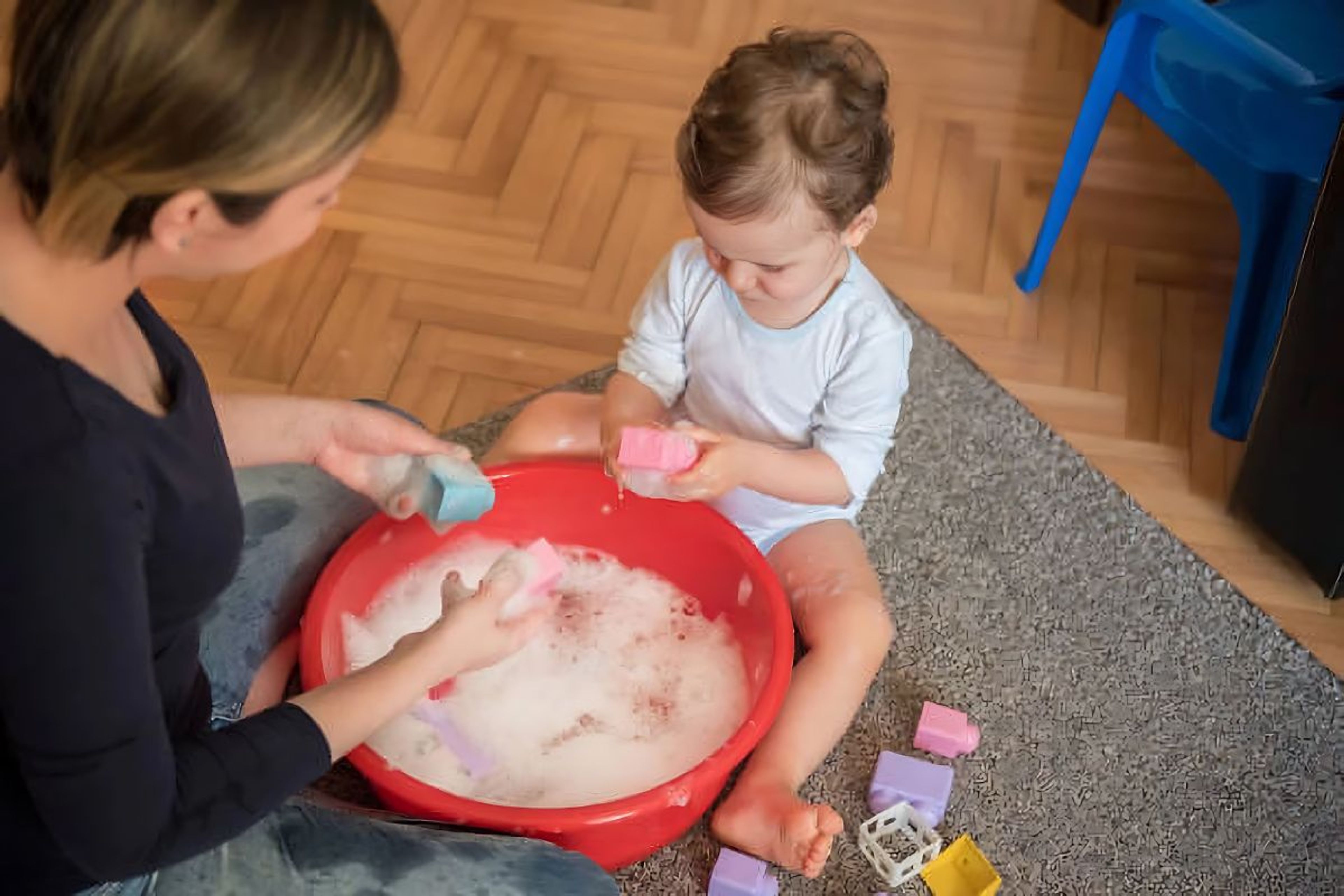
A preschooler can make art with paper, tape, a sponge, and washable paint. The useful version is one material, a few minutes, and no sample to copy. You do not need a craft kit or a picture that matches yours.
This page is for about ages 3 to 5. Why early marks matter at all is in scribbles in early childhood. Younger children who still mouth objects should stay with the larger jobs in fine motor activities for toddlers.
Process art, not a matching craft
NAEYC’s 2014 guide to process-focused art separates two kinds of activity. Process art has no step-by-step sample and no single right result. The child explores the materials. Product art starts from a model, has a right way to proceed, and often ends with pieces that look the same. Children in the second kind of activity ask “Is this right?” and “Mine doesn’t look like yours.” Children in the first kind ask for more time or more paper.
A later NAEYC note for families, Encouraging Process Art at Home (Loretta Fernando-Smith, winter 2023), says you do not need to be an artist and you do not need expensive supplies. Cardboard, paper, tape, and leaves are enough. While they work, one question is plenty: “What is your plan?” If they get stuck, wait before you fix it. If they ask for help, say what they already did, then try one next step together.
The same 2014 piece suggests commenting on what you see, such as “Look at all the yellow dots you painted,” and taking materials outside. It also lists beads, stringing, and homemade dough. Those stay off this page. Beads and buttons are choking hazards. Dough made with raw flour is a food-safety problem, covered in sensory play for toddlers.
What the hands are ready for
By 3 years, most children draw a circle when you show them how, on the CDC 3-year list. By 4 years, most hold a crayon between fingers and thumb, not in a fist, and draw a person with three or more body parts, on the 4-year list. Those are things 75% or more of children do by that age. They are not a grade for today’s picture. A fist grip at age 3 can stay a fist grip. Offer a short, fat crayon and let the hand choose.
Cutting with scissors fits around age 3, with the thumb on top, according to a Western Australia child-health hand-skills sheet. Stay beside them. Tearing paper does the collage job if scissors are still hard.
If your child still puts things in their mouth, every piece has to be too large to fit entirely in the U.S. Consumer Product Safety Commission small-parts test. That test is a cylinder 1.25 inches across and 2.25 inches deep. Use tape instead of a pile of tiny scraps.
| Activity | Materials | Mess | You stay? |
|---|---|---|---|
| Tear and stick paper | Paper, glue stick or tape | Low | Nearby |
| Crayon on blank paper | Crayon, paper | Low | Nearby |
| Sponge stamp | Sponge, washable paint | Messy | Yes |
| Cup stamp | Plastic cup, paint | Messy | Yes |
| Leaf rubbing | Large leaf, crayon, paper | Low | Nearby |
| Water on the path | Cup of water, big brush | Dries | Yes |
| Mix two colors | Two paints, a lid | Messy | Yes |
| Cardboard and crayon | Box, tape, crayon | Low | Nearby |
| Marks while music plays | Paper, crayon, a song | Low | Nearby |
| One-color finger paint | Washable paint, taped paper | Messy | Yes |
| Draw on a standing box | Large box, crayon | Low | Nearby |
| Torn pictures | Magazine page, glue stick | Low | Nearby |
| Tape, then crayon | Tape, paper, crayon | Low | Nearby |
| Leaf print | Large leaf, paint, paper | Messy | Yes |
| Snip one strip | Child scissors, a paper strip | Low | Yes |
Choose paint labeled for children and labeled washable. “Washable” means it should come off skin and many surfaces. It does not mean the paint is a food. Keep the pot out of reach between dips.
1. Tear paper and stick it
Materials: two colors of paper, a glue stick or a few pieces of tape, and one large sheet as the base.
Try it: Tear three pieces. They can be big. Stick them down. Stop at three unless they ask for more. NAEYC’s home note includes collage from saved paper. The tear is the fine-motor part. The choice of where it goes is the art.
Easier: You tear. They press the piece onto a strip of tape you already stuck to the page.
Skip: Confetti, hole-punch dots, and a glue bottle they can drink from.
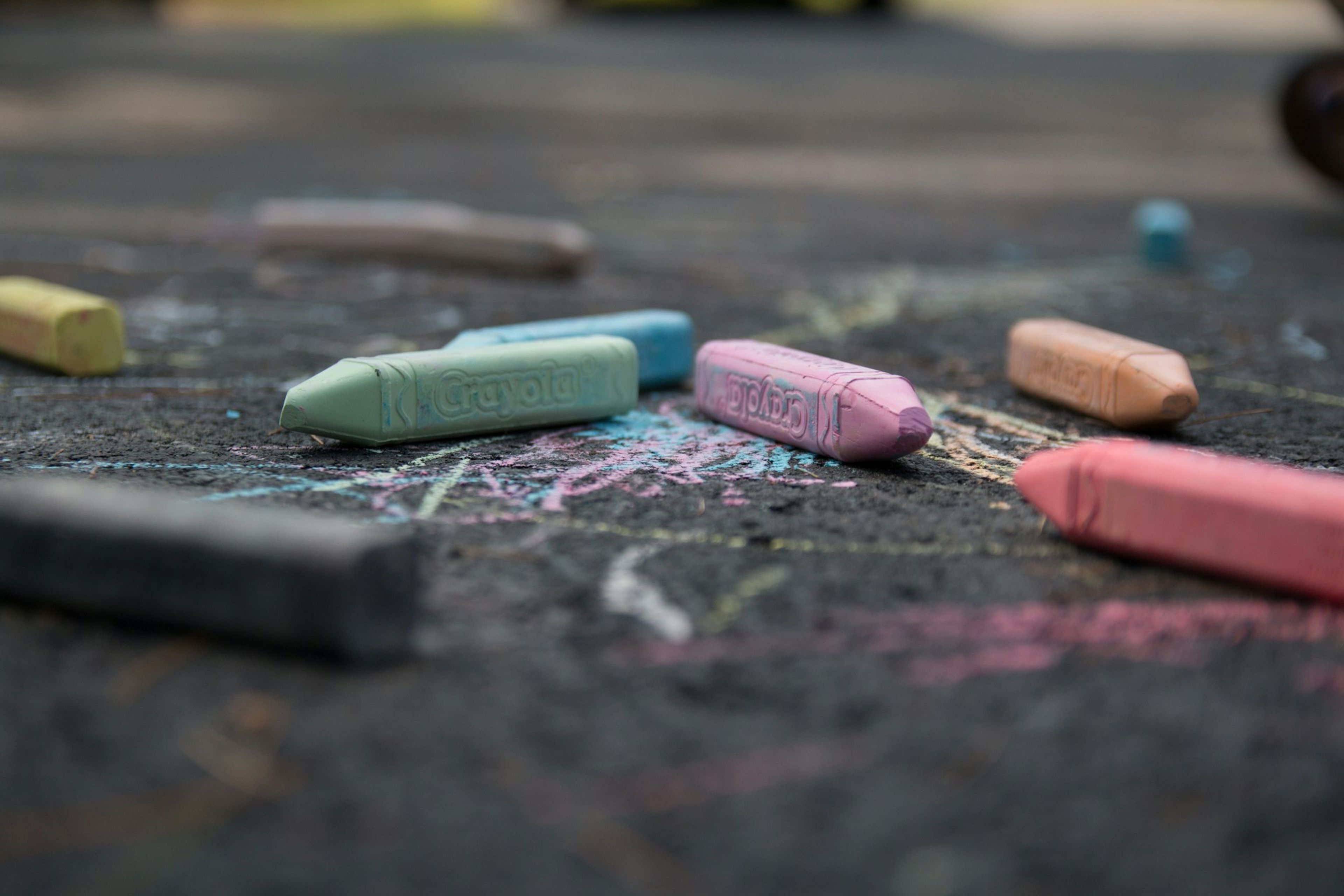
2. Use one crayon on blank paper
Materials: one chunky crayon and a plain sheet. Tape the sheet to the table so it stays put.
Try it: Make one mark and hand it over. Coloring books already chose the picture. Blank paper does not. The 2014 NAEYC list includes drawing with crayons with no directions.
What you might say: “I see a long line.” Then wait.
Easier: You draw one line. They scribble over it. That is still their mark.
3. Stamp with a sponge
Materials: a clean kitchen sponge, a plastic lid with a small puddle of one washable color, and paper.
Try it: Press the sponge in the paint, then on the paper. Two stamps. The shape will be a blob. The blob is the result. NAEYC names sponge printing as a process activity.
Easier: You load the sponge. They press.
Skip: A potato you have to cut. A knife is the part to leave out. The sponge makes the stamp.
4. Stamp with a cup
Materials: a plastic cup, the same lid of paint, paper.
Try it: Dip the rim, not the whole cup. Press once. The circle is whatever size the cup is. They may prefer to bang the cup. Two presses, then the cup goes in the sink.
Easier: One press that you start and they finish.
Harder: A second cup of a different size, still one color, so the only change is the circle.
5. Rub a large leaf
Materials: one large leaf with clear veins, paper, and a crayon with the paper wrapper peeled off by you.
Try it: Lay the leaf vein-side up. Cover it with paper. Hold the paper. They rub the side of the crayon. If the leaf tears, use another large one. Wash hands afterward. Do not use berries, seed pods they could swallow, or a plant you cannot name.
What you might say: “The lines showed up.” You do not need the word “vein” unless they ask.
Easier: You rub once so they can see the lines, then they take the crayon.
6. Paint with water outside
Materials: a small cup of water and a wide brush, a sponge, or a clean paintbrush. A fence, a sidewalk, or a large stone.
Try it: Dip, paint, watch it fade. That fade is the interesting part. Empty the cup before you go in. Do not leave a bucket of water out. The American Academy of Pediatrics says on HealthyChildren.org that young children can drown in as little as an inch or two of water.
Easier: They wipe a wet sponge across one board.
Harder: Paint a shape and ask what happens when the sun hits it. One question, then stop.
7. Mix two colors
Materials: two washable colors, two lids or a paper plate, a brush, and paper. Red and yellow, or blue and yellow, are enough.
Try it: They put a little of each color on the plate and stir once. Print or brush the new color on the paper. If everything turns brown, that is a real result. Say what you see. Do not rescue the brown.
Easier: You make one mixed dab. They smear it.
Skip: Food coloring in a cup they might drink, and any recipe that starts with raw flour.
8. Crayon a cardboard box
Materials: a clean cardboard box, masking tape, one crayon.
Try it: Tape one flap so it stays open, or tape the box shut if they want a block to draw on. They color a side. Fernando-Smith’s home note uses cardboard as a base and says to wait when attaching pieces gets frustrating. If they want a second box taped on, you hold it while they press the tape.
Easier: One side of the box, one crayon.
Skip: A knife, a box cutter, or staples. You tear extra flaps off before they start.
9. Make marks while a song plays
Materials: paper, a crayon, and one song.
Try it: Start the song. They mark while it plays. Stop the music and stop the crayon. Start again if they want one more round. The 2014 NAEYC tips include music during art. The listening part is covered in music toys.
Easier: You both mark on the same page.
Harder: Fast marks, then slow marks, for one song only.
10. Finger-paint with one color
Materials: a pea-sized amount of washable finger paint on paper taped to the table. A smock or a shirt you can wash.
Try it: One dot. They spread it. The toddler version of this, including the option of yogurt only when they already eat that yogurt, is in the sensory post. For preschool, one color and a stop while some paper is still blank keeps the session short.
What you might say: “Look at all the blue.” Name the color if they already use color words. By 4 years, most children name a few colors. Do not quiz them.
Skip: Glitter mixed into the paint, and paint cups left where they can be drunk.
11. Draw on a standing box
Materials: a large box stood against a wall, or paper taped to the wall at their shoulder, and a crayon.
Try it: The arm moves from the shoulder, which is a bigger motion than drawing flat on a table. They make marks for a minute. Take the paper down when they walk away.
Easier: The box on the floor, same crayon.
Harder: They draw around a large toy you hold still. You do not trace their hand unless they put their hand down and wait.
12. Stick on a few torn pictures
Materials: one magazine page you do not need, torn into three or four large pieces, a glue stick, and paper.
Try it: They choose a piece and stick it. Faces, wheels, and colors are all fine. The piece should be larger than a mouthful. Recycled paper is the collage material NAEYC suggests saving at home.
Easier: You tear. They stick.
Skip: Ads with tiny type they will shred into bits, and anything that needs a sharp scissors cut to look like a shape from a template.
13. Crayon over tape
Materials: two strips of masking tape on a sheet of paper, and a peeled crayon or one with the wrapper still on.
Try it: They scribble over the tape and the paper. Peel one strip at the end if they want to see the white line it left. If the peel frustrates them, leave the tape on. The white line is optional.
Easier: One short strip, crayon only, no peeling.
Harder: The tape makes a simple bend, still not a letter you expect them to copy.
14. Print with a leaf
Materials: one large leaf, a thin coat of washable paint on a plate, and paper.
Try it: Lay the leaf on the paint, then on the paper. You can press. Lift the leaf. One print. Wash the leaf into the bin, not the mouth, and wash hands.
Easier: The rubbing in activity 5, which stays dry.
Skip: A pile of small leaves, acorns, or seeds on the paint.
15. Snip one strip
Materials: child scissors with blunt tips, and a paper strip about two fingers wide. You hold the far end.
Try it: Thumb on top. One snip. Then they can tear the rest of the strip for activity 1. If the scissors stay closed, or they want to walk with them, the scissors go away and tearing is the whole activity.
Easier: Tear only.
Skip: Adult scissors, a craft knife, and any plan that leaves the scissors on the table while you leave the room.
What to say while they work
Describe one thing you see. Ask one question from the NAEYC home note, then let them keep going.
- “What is your plan?”
- “How will you make it happen?”
- “Look at all the yellow dots.”
If you say “good job” and stop, they have nothing to add. Name a color or a line, then wait. If they say nothing, the mark still counts. Do not add eyes, a smile, or a straight line so the page looks finished. Fernando-Smith’s advice is to stay open when the result is not what you expected.
The same one-question habit shows up in preschool STEM activities, when the question is “what happened?” instead of “what did you use?”
Set up and clean up
Cover the table with paper you can throw away. Put out less paint than you think they need. A lid is easier to tip than a full cup, and easier to take away.
Wash hands when you stop, including under the nails. Close the paint. Throw out torn scraps that are small enough to mouth. Empty any cup of water. A wet cloth beats a lecture about the table.
Low-mess days can stay with activities 1, 2, 5, 9, 11, and 13. None of those need wet paint.
How a crayon or a set of blocks earns a place on the shelf is in the guide to choosing educational toys. The shop is the CottageForTots Shopee store. Check age labels and small parts before you buy paint, scissors, or stamps.
What to skip
Do not use glitter, sequins, beads, buttons, dry pasta, rice, or googly eyes. They look like art supplies and they fit in a mouth.
Do not make craft dough from raw flour. Do not carve a potato, open a box with a knife, or hand over adult scissors.
Do not use permanent markers. The mark is the same skill with a crayon, and the wall survives.
Do not use balloons as stamps or brushes. The warning on latex balloons says children under 8 can choke or suffocate on balloons that are uninflated or broken.
Do not put a sample on the table and then change their page so it matches. Leave the page as they made it.
Frequently asked questions
What are art activities for preschoolers at home?
They are short sessions with paper, paint, tape, cardboard, or water. The child chooses where the mark goes. You choose materials that are large, washable, and easy to stop.
What does process art mean?
It means the making is the point. There is no sample on the fridge that theirs is supposed to match. NAEYC describes that as exploring tools and materials, with no right or wrong result.
Which household items work for preschool art?
Paper, a glue stick, masking tape, a kitchen sponge, a plastic cup, a cardboard box, a large leaf, and washable paint. Water and a brush work outside. Scissors are a separate, supervised step around age 3.
How should I praise a preschooler’s art?
Say what you see and ask what they were doing. “Look at all the yellow dots” is a NAEYC example. Save “good job” for when you need a short encouragement, and follow it with something you actually noticed.
Can 3-year-olds use scissors?
Many are ready to try, with blunt scissors, the thumb on top, and you holding the paper. One snip is enough. Tearing is the substitute on days when scissors are too hard or too interesting to carry around.
What if they only scribble?
Scribbling is the activity. The CDC circle and person drawings show up across ages 3 and 4 for most children, after a long period of marks that are not pictures. Ask for another scribble, not a house.
What to try first
Tape a sheet to the table, peel nothing, and put down one crayon. If they cover the page, stop while they are still willing. If they want something stickier tomorrow, tear three pieces of paper and use a glue stick.
For the reasons those marks matter, read how scribbles build early skills. For hands that are not ready for paint, start with fine motor activities for toddlers.